Mozambique · Energy
Energy — oil & gas in Mozambique.
A focused read drawn from Saga's full Mozambique country profile — operators, the technical opportunity, and the corridor.
Energy — oil & gas
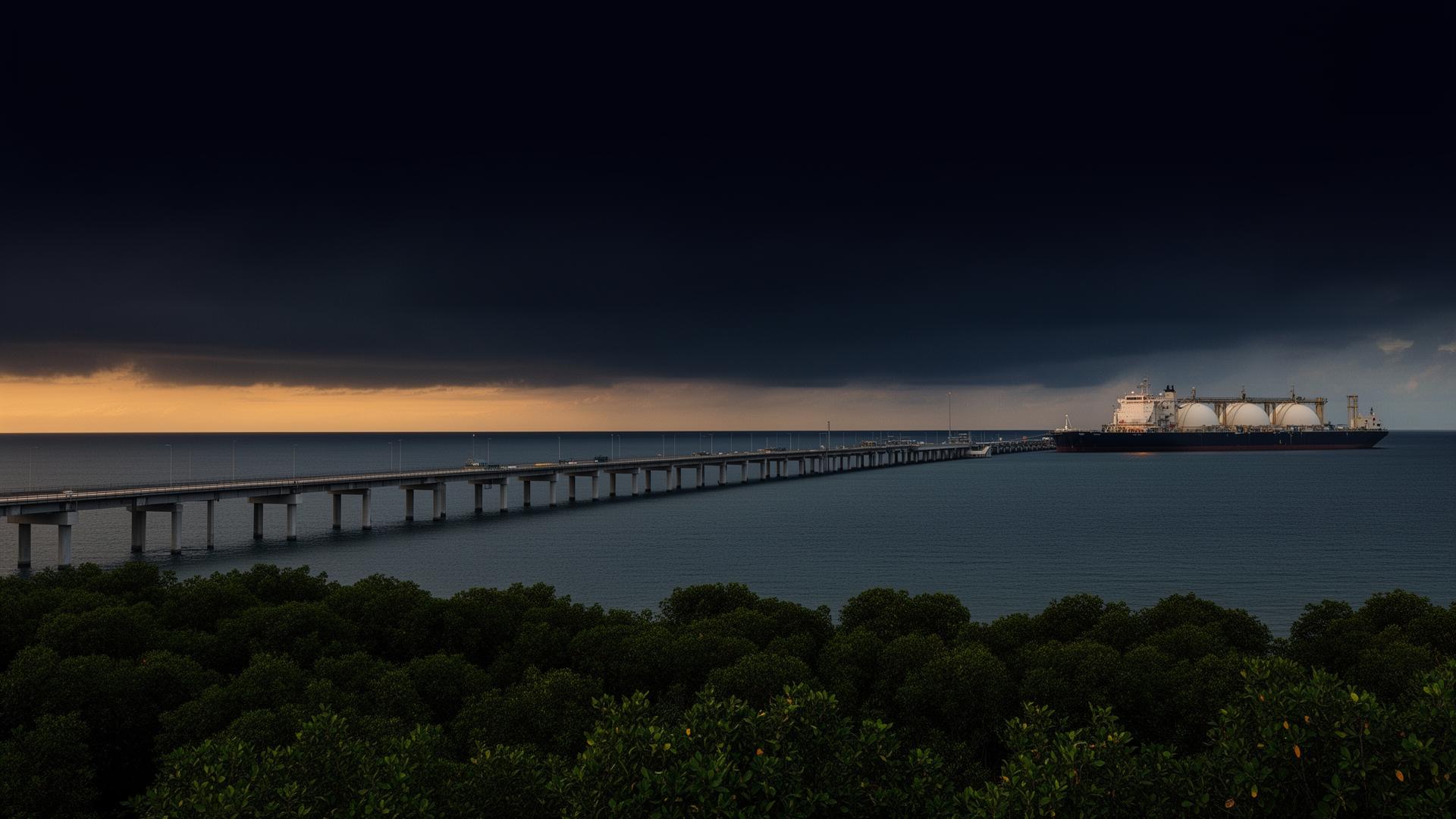
The Rovuma Basin is Mozambique's hydrocarbon story. Coral South, an Eni-led FLNG, has been producing since 2022 from Area 4 but is isolated from domestic infrastructure. The real milestone is Mozambique LNG. TotalEnergies, as operator, has announced a full restart following environmental remediation and security clearances. The Golfinho-Atum field in Area 1 is mature on seismic and well control; the reservoir is tight gas with predictable water sensitivity. The project design holds. First gas is forecast later this decade. The path to production runs through the Afungi peninsula south of Palma, where the onshore terminal and export facilities are under construction.
The operating landscape involves TotalEnergies leading development, with several minority stakes across Areas 1 and 4. ENH, the national oil company, holds equity across all licensed blocks. Government take at plateau is broadly aligned with regional norms under stable PSC frameworks. The fiscal terms are known; the investors are known; and the project is in execution.
Mozambique LNG is brownfield-mature but technically challenging. The Golfinho-Atum tight-gas pay demands stimulation: coil-tubing applications, multilateral well designs and selective-zone perforation work. The field is water-sensitive, which means completion quality is critical. TotalEnergies has a track record of purchasing foreign completion and stimulation tech from Angolan brownfields, and that appetite carries to Mozambique. Coral North, the second FLNG in Area 4, has moved past FID. Deviated appraisal wells tie back to processing; the active drilling window is open.
TotalEnergies has acknowledged a significant budget increase on Mozambique LNG against the original FID. Inflation, supply-chain delays and security costs on site are eating into estimates. Any further delay pushes first gas later, compressing the window for new technology integration. Operators watch financing trends across East African energy infrastructure carefully: shifts toward non-Western lending can carry through into procurement preferences for pumps, compressors and control systems.
Related — same sector across Southern Africa