Angola · Energy
Energy — oil & gas in Angola.
A focused read drawn from Saga's full Angola country profile — operators, the technical opportunity, and the corridor.
Energy — oil & gas
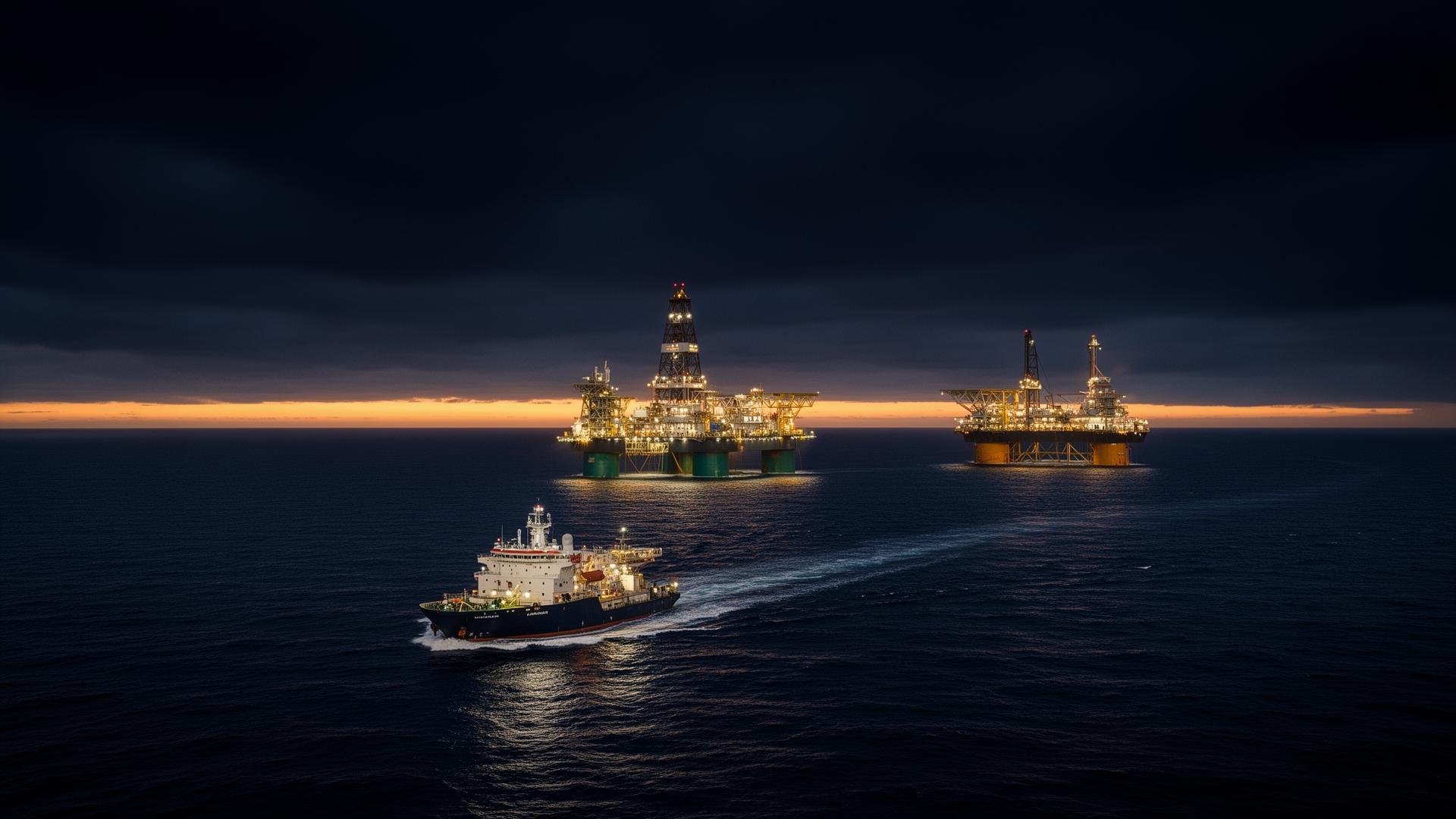
Angola's crude reserves sit in two geological homes. The first is tight, carbonate-dominated pay in the Kwanza Basin — rocks like the Pinda formations that require precision drilling and completion work to yield their crude. The second is deepwater sub-salt acreage in the same basin, still largely unlicensed, with frontier-scale exploration risk. Today, Angola is almost entirely a brownfield story. The production base is a network of aging offshore platforms whose pressure profiles, water-cut trajectories and formation-damage regimes are mapped in the operating diaries of engineers who have worked them for decades.
Understanding is not enough. Some of the largest fields operate seawater-injection programmes at very high intensity, with hundreds of thousands of barrels per day of injection across many platforms and wells. That intensity creates well-integrity challenges that stimulation alone will not solve. This is the Angola that operators see: reservoirs that have given their best in primary recovery, geology that does not forgive careless drilling, and rising pressure to extract the margin that remains.
The regulatory frame has tightened since 2019, when Angola separated the National Agency for Petroleum, Gas and Biofuels (ANPG) from Sonangol. Sonangol no longer sets the rules; ANPG does. But Sonangol — now a pure operator — still holds operator positions on the largest producing blocks and retains the political weight that comes with running half of Angola's oil output. Recent amendments to deepwater PSC terms, negotiated through 2025, show that the frame can shift when the business case survives. Angola's fiscal stance is not fixed; it moves when the math does.
The real story is in who is buying technology. Azule Energy — the BP-Eni joint venture, and now Angola's largest independent producer — has moved faster on external partnerships than Sonangol historically did. Azule has signed long-term arrangements with Western engineering houses for brownfield engineering and FPSO modifications, and has expanded digital platforms for reservoir optimisation. These are not symbolic deals. They are the signature of an operator that has capital discipline, that sees foreign technology as cheaper than internal redundancy, and that can move to contract within project timescales. Sonangol's technology directorate has shown similar openness, though more conservatively. Smaller independents have in the past licensed focused stimulation technology. Equinor brings Norwegian operational discipline and three decades of relationship-building with both ANPG and Sonangol technical teams.
The next 12 to 24 months will define Angola's production path. Recent developments include first non-associated gas from the Albian basin-floor fan and new appraisal-phase oil discoveries that will see intensive drilling activity over the coming years. Operators who can demonstrate safe, repeatable multilateral perforation and targeted formation acidisation on Pinda-type tight carbonates will unlock pilot contracts and reference accounts on these wells.
Related — same sector across Southern Africa