Mozambique · Aquaculture
Blue economy & aquaculture in Mozambique.
A focused read drawn from Saga's full Mozambique country profile — operators, the technical opportunity, and the corridor.
Blue economy & aquaculture
Mozambique is one of Africa's largest shrimp exporters. Annual marine catch is split roughly four-to-one in favour of artisanal fishing, with black tiger and Indian white prawns dominating the export side. Export markets are primarily European and Asian. Mangrove habitats in the south are under pressure from land conversion. More significant is IUU fishing: foreign distant-water vessels operate illegally in Mozambican waters, with transhipment at northern ports. Government estimates of resource-value loss from illegal fishing are substantial.
Aquaculture is nascent. There are inland tilapia operations on Lake Cahora Bassa with breeding facilities and a land-based nursery, but the sector lacks coordinated hatchery infrastructure and disease-control protocols. Tilapia lake virus has affected inland ponds. Feed supply is intermittent. No Norwegian cage-system technology has been deployed; the opportunity is real.
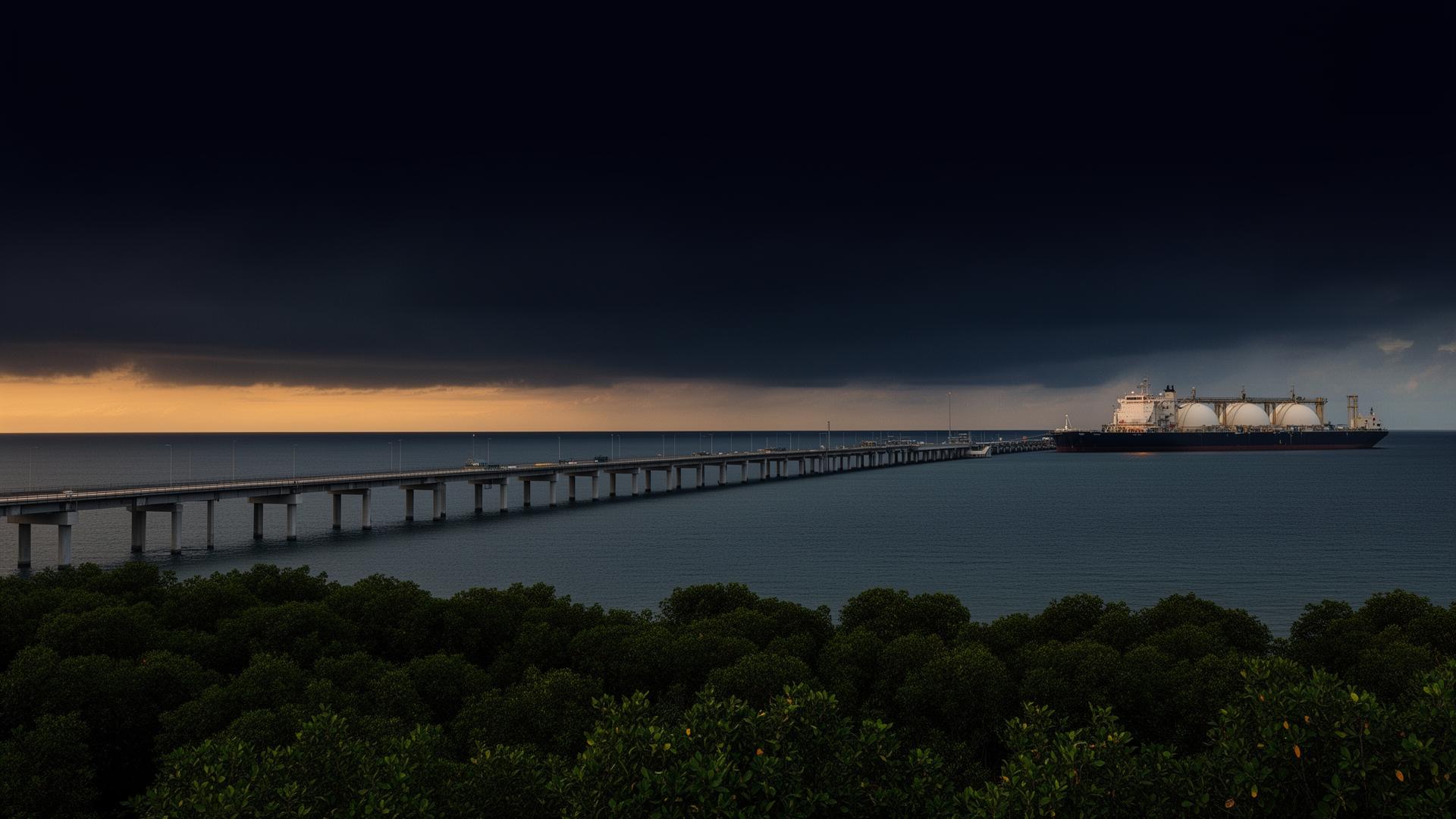
Beira, Maputo and Nacala are the main port terminals. Beira handles container traffic; Maputo is the international gateway for the southern region; Nacala is a coal-export hub. The Afungi port development for Mozambique LNG will require specialised quay construction and LNG-carrier logistics — an intersection of oil-and-gas and regional shipping that Saga understands well.