Ghana · Energy
Energy — oil & gas in Ghana.
A focused read drawn from Saga's full Ghana country profile — operators, the technical opportunity, and the corridor.
Energy — oil & gas
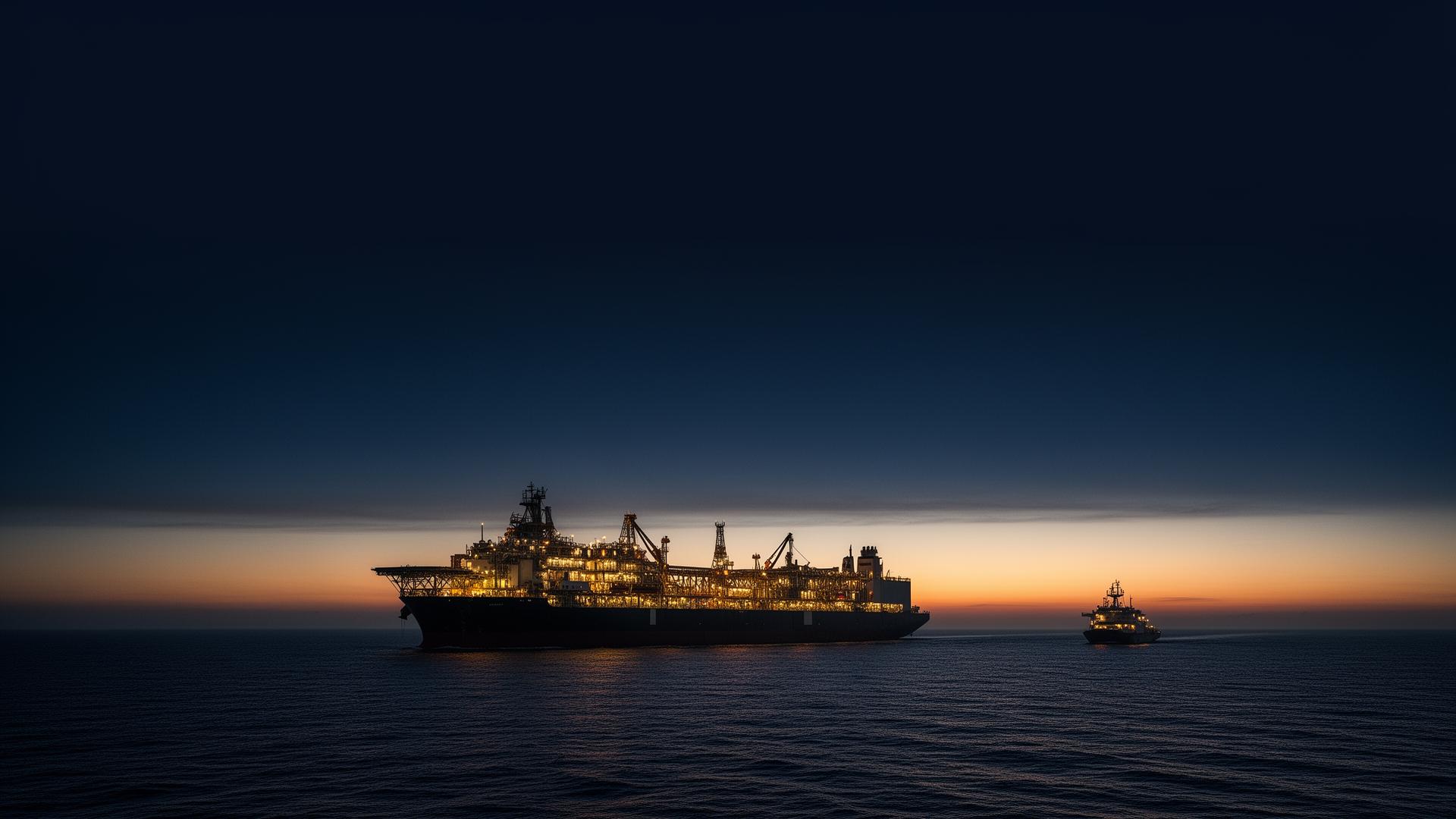
The Jubilee field came onstream in 2010 and is the country's anchor producing asset. Production has been challenged by higher-than-expected water cut in certain wells and by riser-stability issues; operators have deployed riser-based gas lift to counteract water production and stabilise output.
The Petroleum Commission and GNPC form a two-tier regulatory structure. Fiscal terms are PSC-based, with government take in line with regional norms on mature fields and lighter on frontier acreage. The regulatory environment is regarded as transparent and predictable by regional standards. Tullow and Kosmos have agreed to extend the production licences for Jubilee and TEN, with GNPC's share increasing on a phased basis later in the licence life.
Gas reserves are significant but development lags oil. TEN began production in 2016 and is in decline phase but has greater pressure-maintenance potential through enhanced waterflood. Tullow has agreed to acquire the TEN FPSO, eliminating lease costs and improving field economics. Pecan Energies (the post-Aker Energy entity controlled by the Africa Finance Corporation) is pursuing FID for the Deepwater Tano/Cape Three Points block.
Jubilee is in extended-production phase, with natural depletion driving annual production declines absent new drilling. Tullow's near-term drilling programme is designed to arrest decline and modestly increase production. This is the part of the field life where foreign completion expertise adds value: water-cut trends and riser corrosion are accelerating well-abandonment forecasts.