Senegal · Energy
Energy — oil & gas in Senegal.
A focused read drawn from Saga's full Senegal country profile — operators, the technical opportunity, and the corridor.
Energy — oil & gas
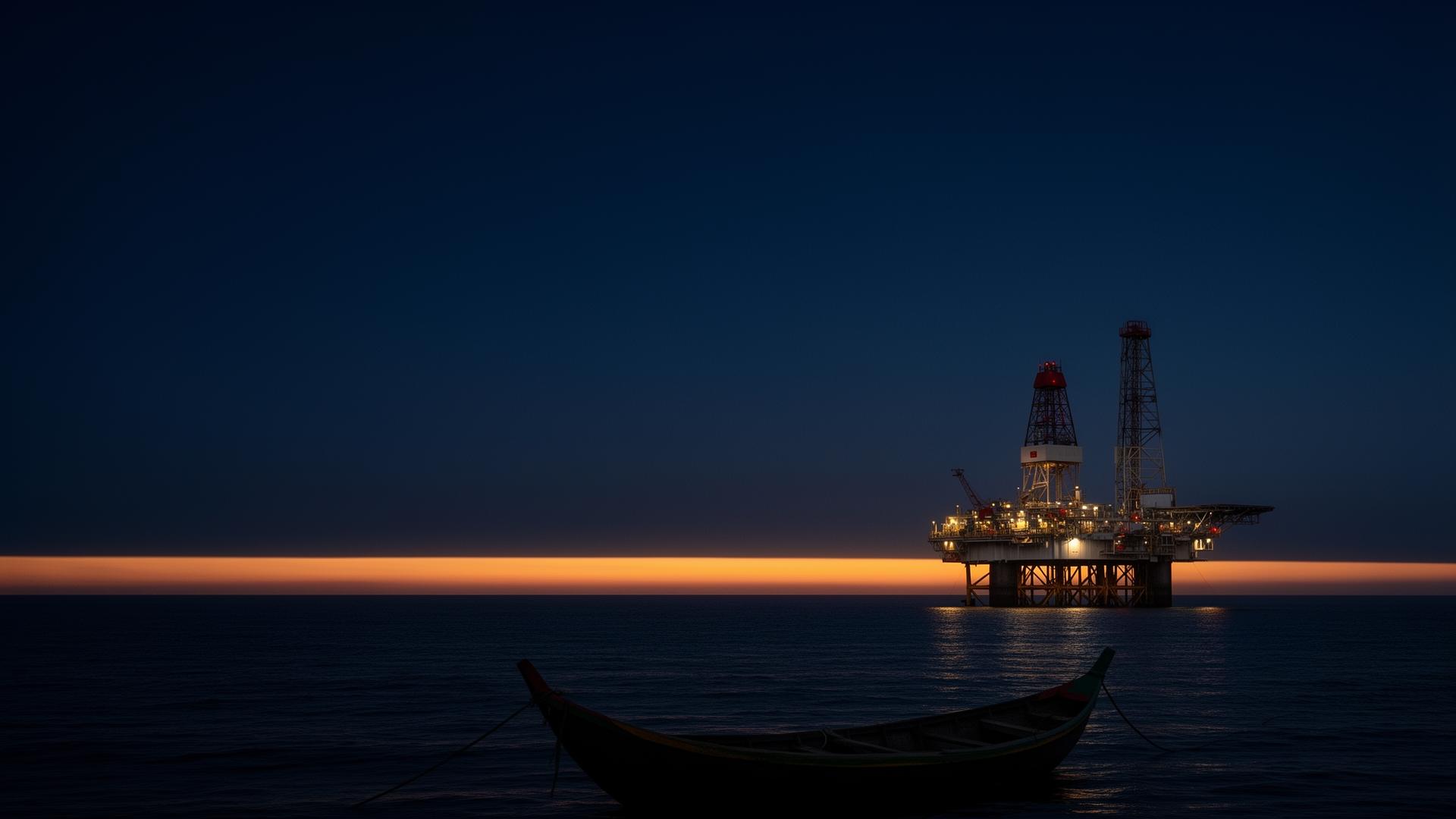
Sangomar is in production and has performed ahead of expectations in its early period. Phase 1 capacity is around 100,000 barrels per day from the Léopold Sédar Senghor FPSO, with options being assessed for further phased expansion.
The BP-operated GTA LNG project (a joint Mauritania–Senegal development) reached first LNG export and commercial operations in 2025. Phase 2 is in development. The Yakaar-Teranga gas field is the focus of the next development phase, with Petrosen scheduled to assume a fuller development role.
Senegal's petroleum regulatory framework is codified in the Petroleum Code and administered by Petrosen and the Ministry of Oil and Energy. Fiscal terms are PSC-based, broadly aligned with West African norms. Petrosen has grown materially in technical sophistication and is increasingly autonomous in reservoir characterisation, field development planning and regulatory compliance.
Both Woodside and BP have demonstrated strong regulatory engagement and transparent fiscal reporting. Senegal is an EITI signatory and publishes extractive-sector data.
Sangomar exhibits classic brownfield characteristics — tight, heterogeneous pay with natural aquifer influx, well-design complexity from high-angle laterals and thin-bed drilling, and production-decline forecasting that requires active reservoir surveillance. Phase 2 development is planned and current thinking is that additional capacity will require drill-centred redevelopment. GTA is in transition from frontier to brownfield.