Republic of the Congo · Energy
Energy — oil & gas in Republic of the Congo.
A focused read drawn from Saga's full Republic of the Congo country profile — operators, the technical opportunity, and the corridor.
Energy — oil & gas
Congo's offshore is a mature, well-defined province with a clear operator hierarchy. TotalEnergies is the largest, with the Moho Nord deepwater complex producing roughly 140,000 barrels per day — about half of national output — from a hub serving the Moho-Bilondo licence and adjacent acreage. In April 2026 TotalEnergies announced a new discovery on the Moho G structure, which together with the earlier Moho F find represents recoverable resources of close to 100 million barrels and underwrites the next cycle of infill drilling on the complex. The company committed over USD 500 million in 2025 to extend Moho Nord's production plateau, and the basin work continues into 2027.
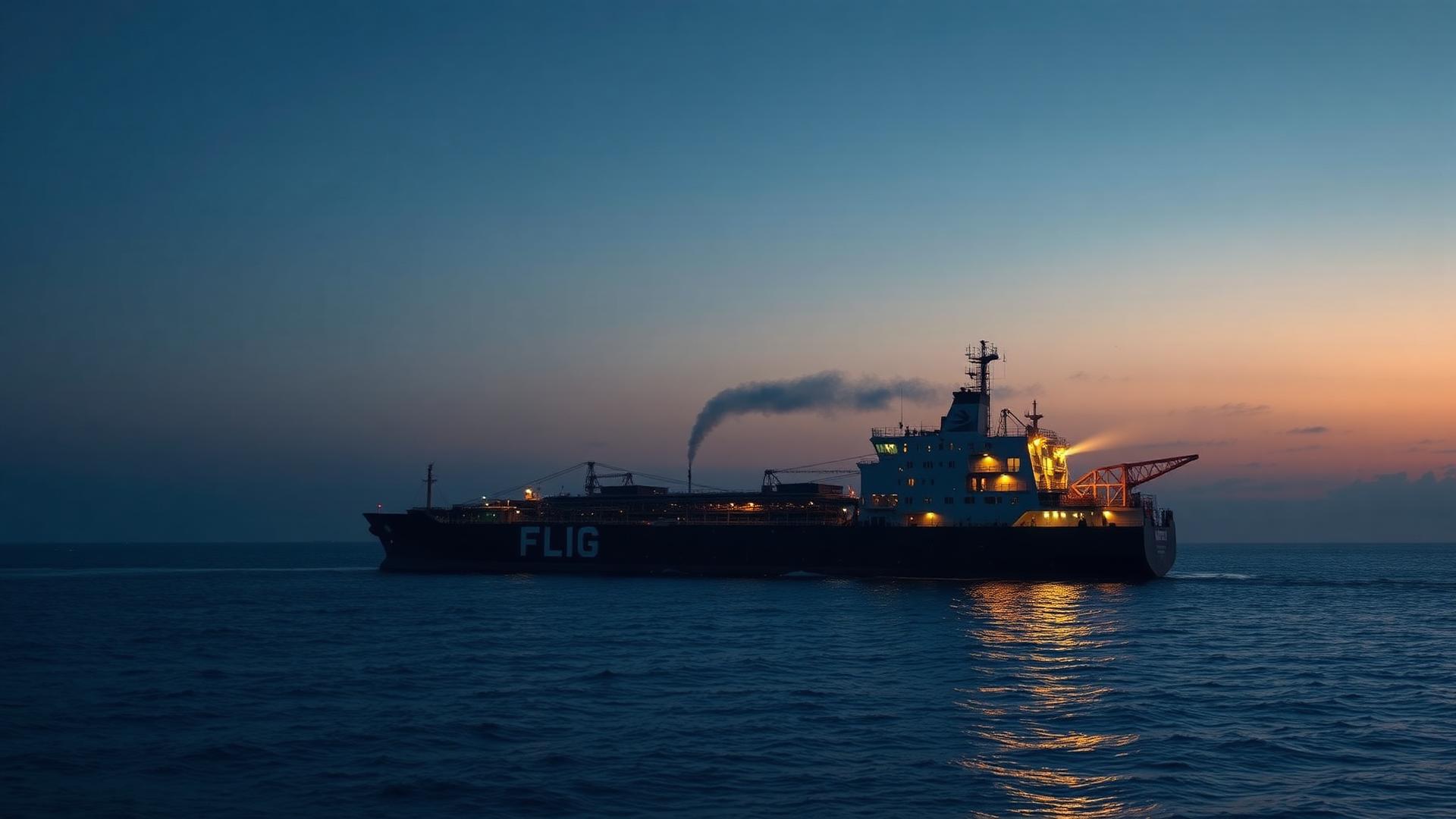
Eni is the gas-and-LNG story. The Marine XII licence — covering the Nené and Litchendjili fields — feeds Congo LNG, which has moved from a standing start to operational integrated capacity faster than any African LNG project on record. The Tango FLNG unit started exports in late 2023 at 0.6 million tonnes per annum. The Nguya FLNG unit, the second and larger module, was commissioned ahead of schedule, exported its first cargo in February 2026 and brings total project capacity to 3 million tonnes per annum — equivalent to about 4.5 billion cubic metres per year, and enough to make Congo Africa's fifth-largest LNG exporter behind Algeria, Nigeria, Egypt and Mozambique. The Scarabeo 5 unit handles gas treatment and compression. The whole development was executed in 35 months from start of construction on Nguya — a benchmark for what disciplined floating LNG looks like in a African setting.
Perenco runs the third and quietest leg. The Anglo-French operator has consolidated a portfolio of mature shallow-water assets in the Lower Congo basin and continues to add infill capacity — the Kombi 2 platform, launched in February 2026 at a USD 200 million capital cost, targets an additional 10 million barrels at the Kombi-Likalala-Libondo II field. Perenco's role in Congo is the same as in Cabinda and Muanda: take on assets the majors no longer want at scale, run them at lower cost, and squeeze incremental barrels from them. SNPC, the national oil company, holds operator and partner positions across the basin and runs the fiscal-state functions.
The country's stated production target is 500,000 barrels per day, against current output in the 270,000-280,000 bpd range. Hitting that number requires sustained brownfield work on Moho Nord and Perenco's shelf, the appraisal cycle on Moho G, and the gas-condensate output associated with Marine XII. The next 12 to 24 months are about execution: the LNG ramp-up to full nameplate, the Moho G appraisal, and Perenco's continued shelf programme. There is no licensing-round drama; the operator group is set, the regulatory frame works, and the work is in the engineering rather than the politics.