Kenya · Aquaculture
Blue economy & aquaculture in Kenya.
A focused read drawn from Saga's full Kenya country profile — operators, the technical opportunity, and the corridor.
Blue economy & aquaculture
Kenya's marine fisheries (Indian Ocean EEZ) produce a meaningful annual volume across small pelagics, tuna and large pelagics, demersal species, and prawns and shellfish. Coastal artisanal fisheries account for the majority of coastal employment. Lake Victoria (Kenya sector) is a significant inland producer. IUU exposure is moderate; enforcement is improving.
Aquaculture is the growth story. Kenya's inland aquaculture is among Africa's most productive, dominated by Nile tilapia and African catfish, mostly in freshwater ponds and Lake Victoria cages. Coastal marine and brackish-water aquaculture has emerged recently in southern coastal counties, with integrated multi-trophic trials showing strong profitability. Government targets are aggressive. Feed supply is expanding; hatchery genetics is a regional strength. Disease management is improving after recent tilapia lake virus episodes.
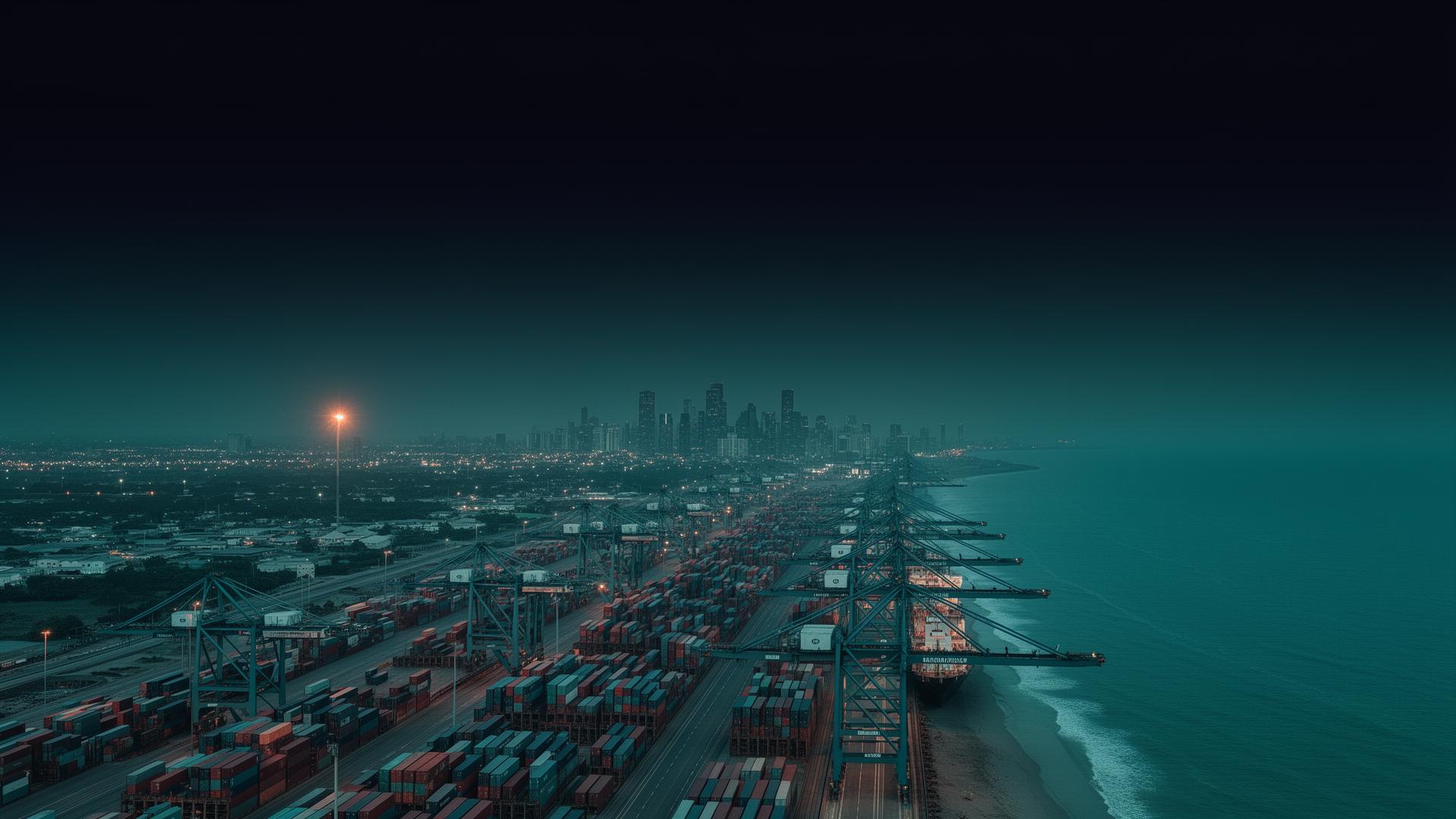
Mombasa is East Africa's largest port. Kilindini is the deepwater facility. Lamu Port is under development for coal and container traffic. Offshore wind potential exists along the southern coast.
The intersection with Saga's mandate is multi-vector. Turkana crude transport via road and rail will parallel fish-supply routes; potential exists for shared logistics hubs and cooling facilities. Aquaculture technology could be co-financed with Nordic development agencies. Port automation at Mombasa is another revenue opportunity.
Related — same sector across East Africa