Uganda · Aquaculture
Blue economy & aquaculture in Uganda.
A focused read drawn from Saga's full Uganda country profile — operators, the technical opportunity, and the corridor.
Blue economy & aquaculture
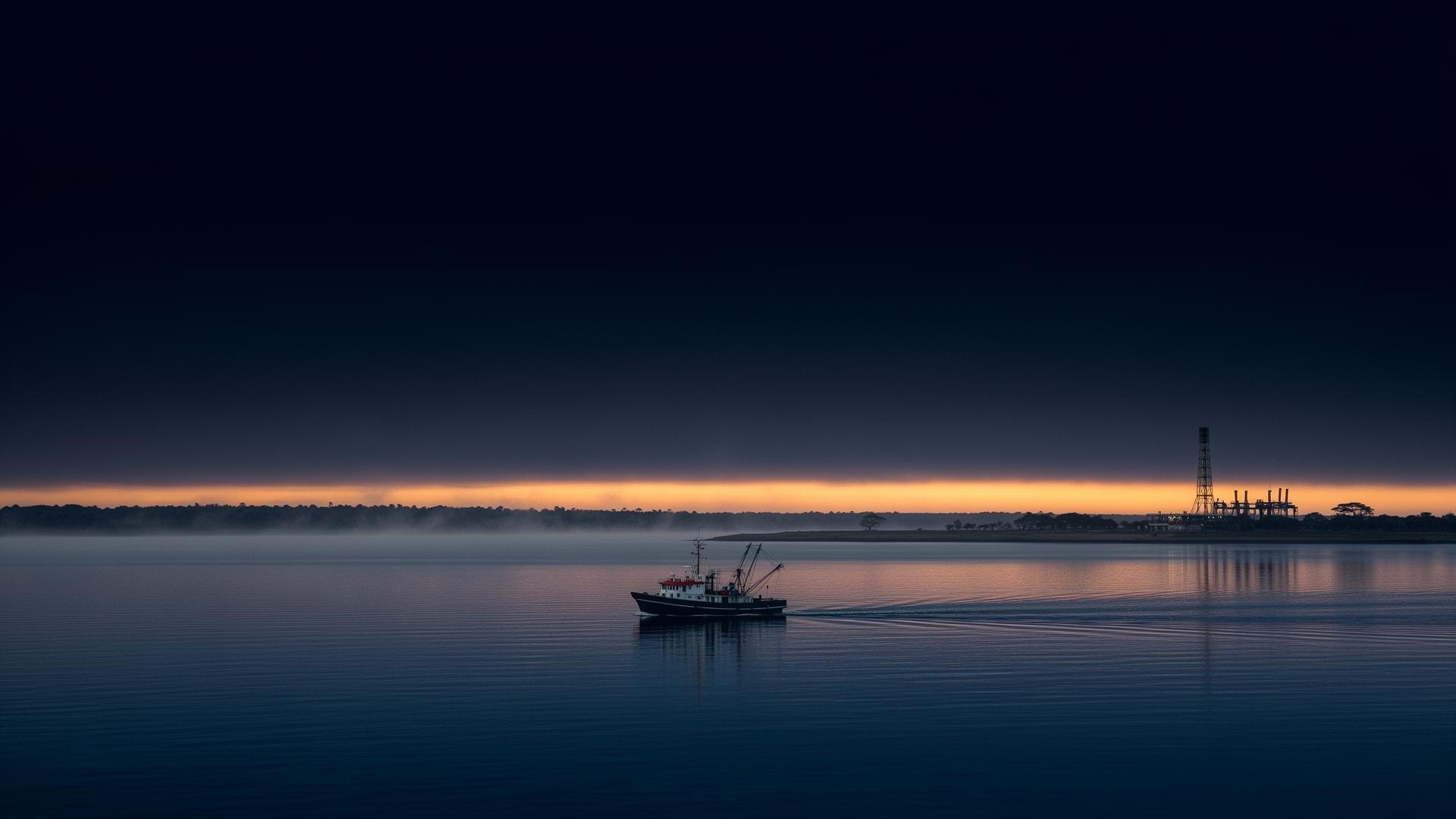
Lake Victoria is Africa's largest inland fishery. Uganda's sector yields a substantial annual catch dominated by Nile perch and tilapia. The artisanal fleet is large, predominantly small craft. Nile perch is exported, primarily to European markets; tilapia is sold fresh and dried domestically and regionally. IUU is severe, with illegal transboundary fishing and banned gear use causing stock depletion and conflict. The Lake Victoria fisheries economy supports many hundreds of thousands of people.
Aquaculture is nascent but growing. Freshwater operations include tilapia, catfish and carp in small ponds and cage systems. Government targets ambitious scaling. Hatchery infrastructure exists but faces disease pressure and limited access to improved genetics. Feed supply relies on imports and limited local mills. Norwegian fisheries-development cooperation is exploring tilapia genetics and hatchery improvements in the Lake Victoria region.
Uganda is landlocked. Lake Victoria and Lake Tanganyika are transit routes. Electricity supply is hydroelectric-dependent. Lake Albert oil development will reduce hydro reliance.
The intersection with Saga's mandate is substantial but focused on aquaculture and fisheries management. Lake Victoria production directly informs co-investment plays in hatchery genetics, disease control and catch-data management. IUU detection and cross-border fisheries monitoring is a clear technology opportunity. Lake Albert oil development will displace fishing communities; resettlement and livelihood-restoration advisory could be a Saga service offering. Aquaculture cage-system expansion offers technology-transfer and financing opportunities.
Related — same sector across East Africa