Cameroon · Aquaculture
Blue economy & aquaculture in Cameroon.
A focused read drawn from Saga's full Cameroon country profile — operators, the technical opportunity, and the corridor.
Blue economy & aquaculture
Cameroon's coast is around 400 km long with three maritime zones. Fishery output is dominated by artisanal maritime and continental fishing; industrial fishing represents a small share of production. Foreign artisanal fishermen from neighbouring countries comprise a meaningful share of the artisanal workforce, and a large proportion of fishermen lack formally recognised licences, reflecting weak enforcement and IUU presence.
Aquaculture is nascent. Production is dominated by freshwater species — Nile tilapia, common carp, African catfish. Cage-based marine culture is essentially absent. Government has stated ambitions to expand aquaculture but lacks institutional coordination and capital mobilisation.
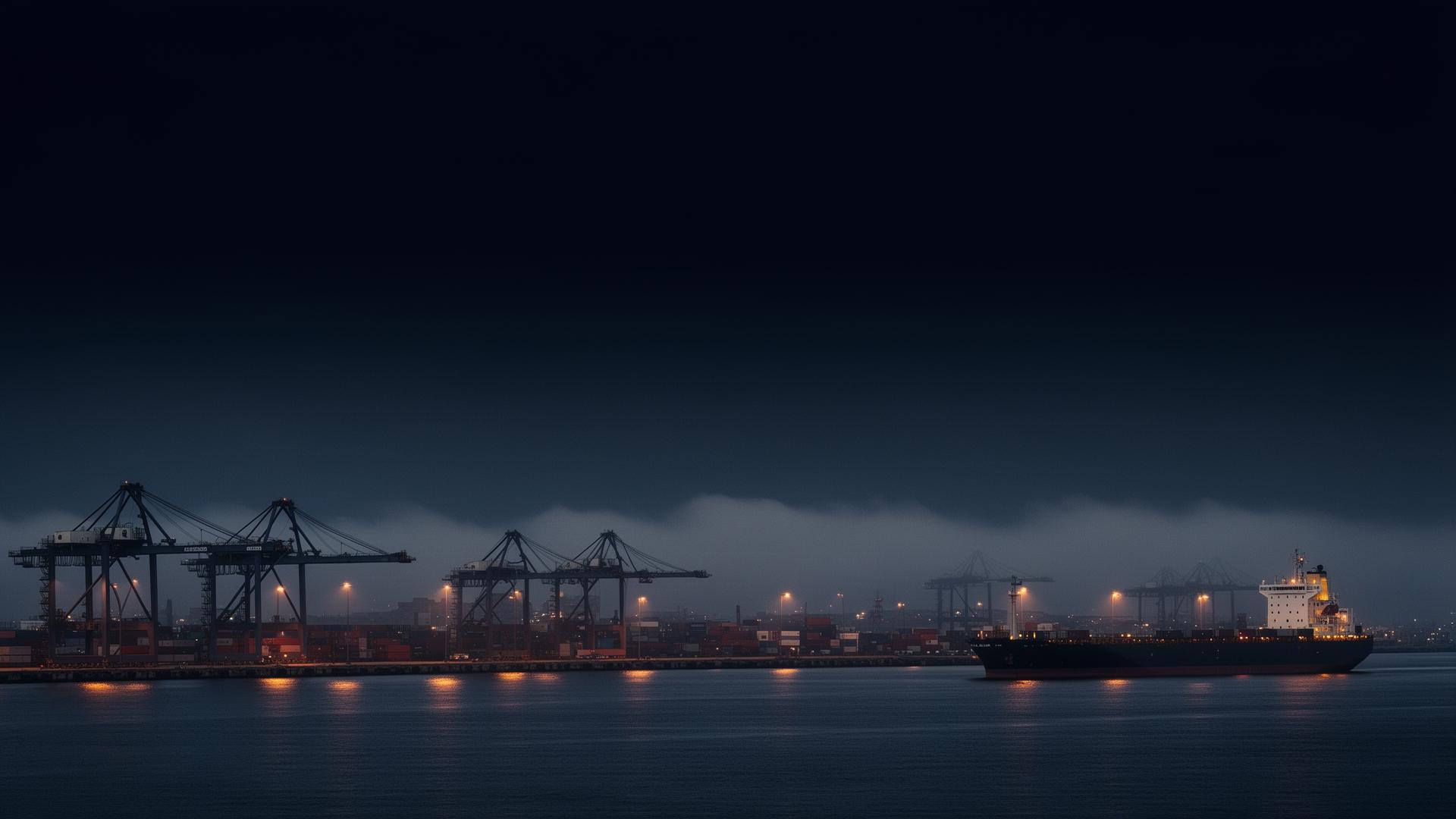
Cameroon operates two major ports — Douala (primary, container) and Limbe (secondary, breakbulk). Douala is one of the largest ports in the region and is congested and operationally stressed. Maritime spatial planning is underdeveloped.
The blue-economy opportunity in Cameroon is minimal in the near term. Fisheries enforcement and IUU detection could in principle attract Norwegian AI capability, but government funding and institutional capacity are lacking. The primary value is oil-and-gas centred.